Energy-Efficient Windows Guide
If your rooms feel cold by the glass, your windows are probably part of the problem. This guide explains what makes energy-efficient windows work, how to compare them sensibly, and where the savings on your heating bills actually come from — without the sales patter.
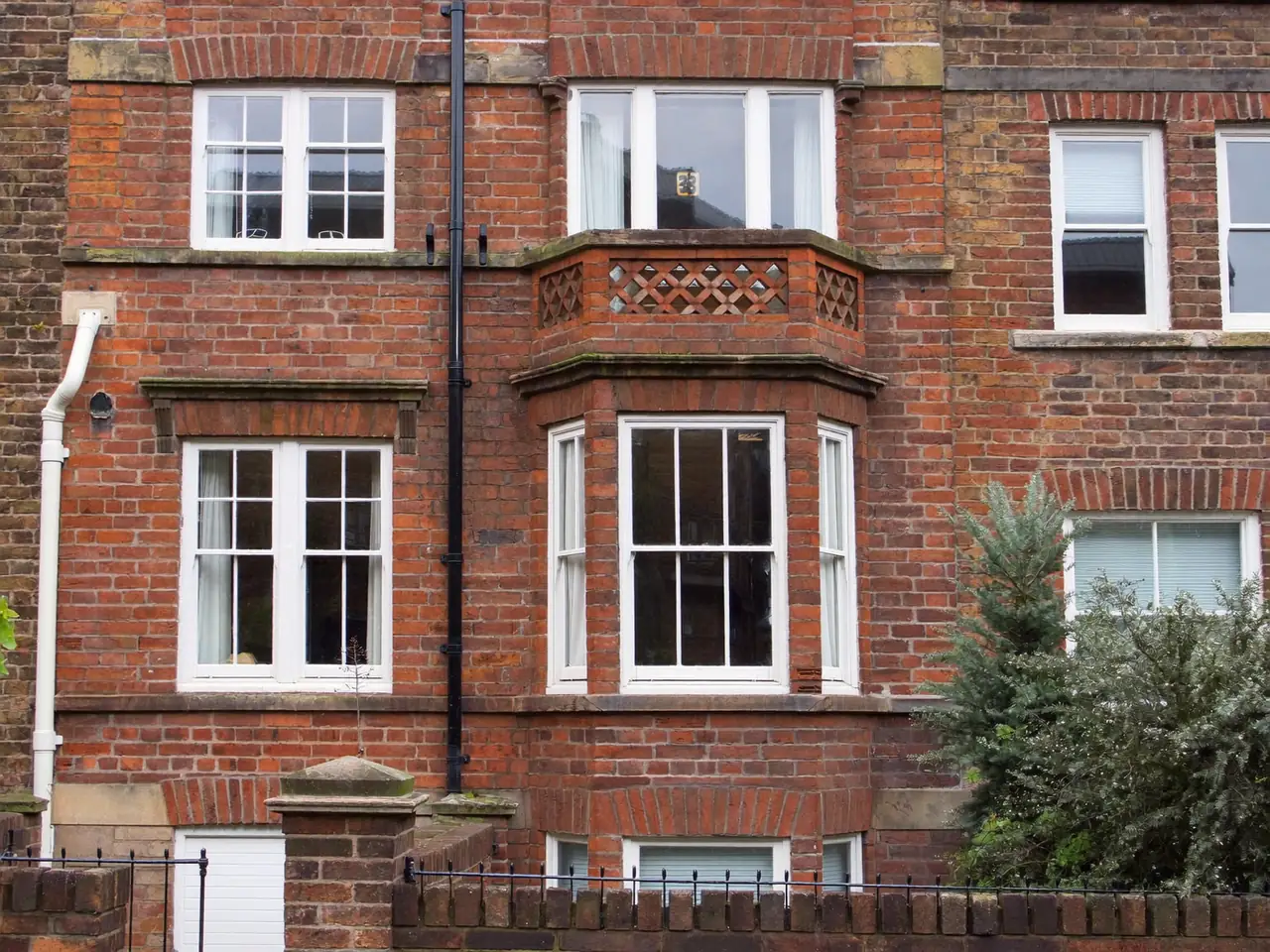
What makes a window energy-efficient?
A modern replacement window is a system, not just a sheet of glass. Several parts work together to slow the heat leaving your home:
- Sealed double or triple glazing — two or three panes with an insulating gap, rather than a single sheet that lets warmth straight out.
- A Low-E coating — an invisible metallic layer that reflects heat back into the room while still letting daylight through.
- An inert gas fill — usually argon, which conducts heat far less readily than ordinary air in the cavity between the panes.
- A warm-edge spacer bar — the strip around the glass edge, made from a low-conductivity material to reduce the cold line you can otherwise feel at the perimeter.
- An insulated frame — multi-chamber uPVC, timber or a thermally broken composite, plus tight weather seals that shut out draughts.
Get all of these right and fit them well, and the window keeps far more warmth indoors than the single glazing or tired units many older homes still have.
Where the savings really come from
Two things happen when you upgrade. First, less heat conducts through the glass, measured by the window’s U-value — lower is warmer. Second, good seals stop the draughts around old frames, so your heating stops fighting a constant leak of warm air. According to the Energy Saving Trust, replacing single glazing with A-rated double glazing typically saves in the region of £75 to £235 a year on heating, depending on the size and type of property, and can cut a home’s carbon footprint by up to around 405 kg of CO₂ a year. These are typical ranges, not promises — your own result depends on your home, its current windows and how you heat it.
See what your home could save
Answer two quick questions and pop in your postcode. We’ll match you to a vetted local installer for a free, no-obligation assessment — about 60 seconds.
See my saving estimate →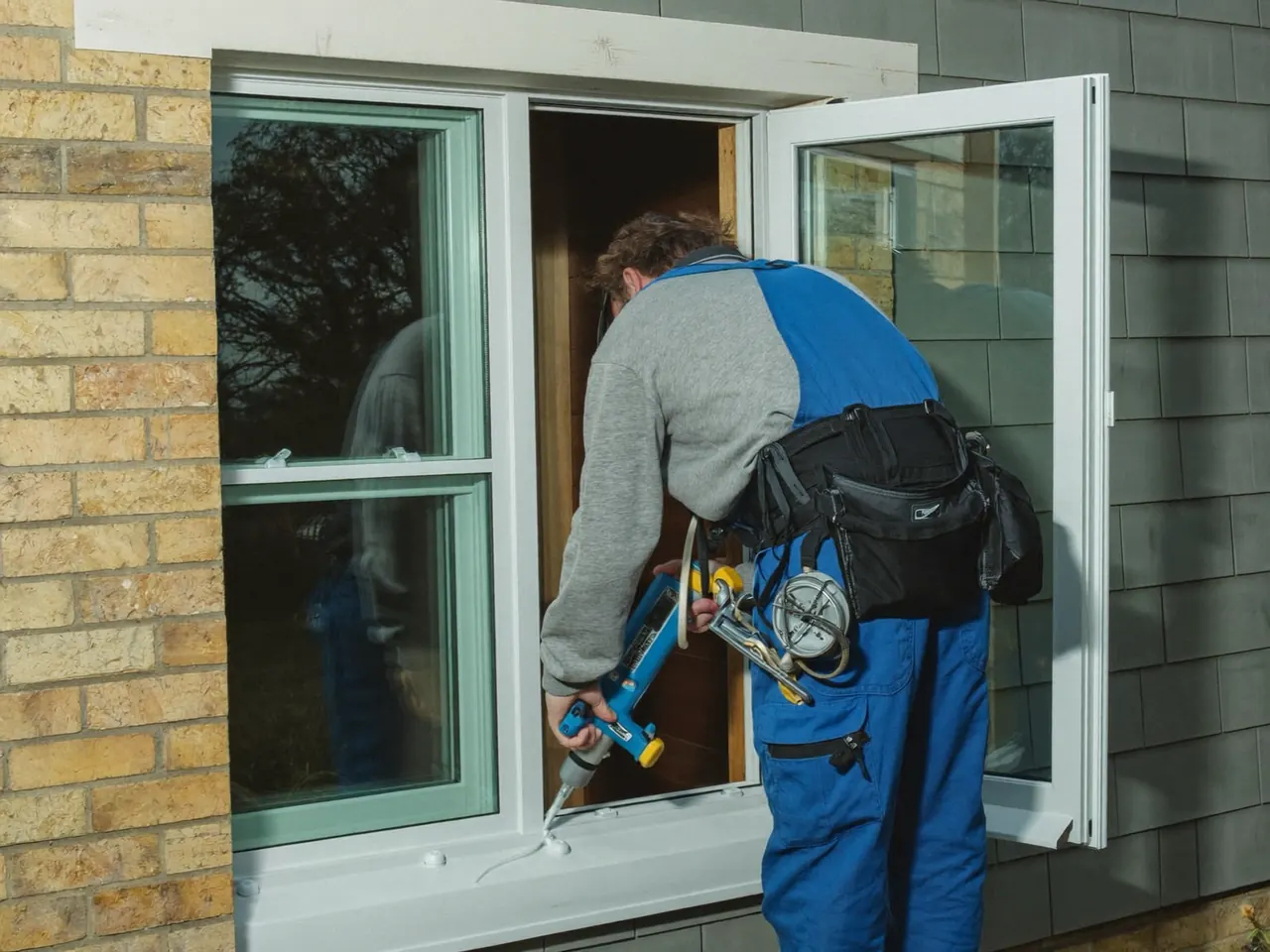
How to compare windows without the jargon
You will meet three numbers most often. The U-value tells you how much heat passes through the whole window — the lower, the better. The Window Energy Rating puts everything on a simple A++ to E label, so you can compare at a glance. The g-value describes how much solar heat the glass lets in. A good all-round window balances a low U-value with enough solar gain to help warm south-facing rooms on bright days.
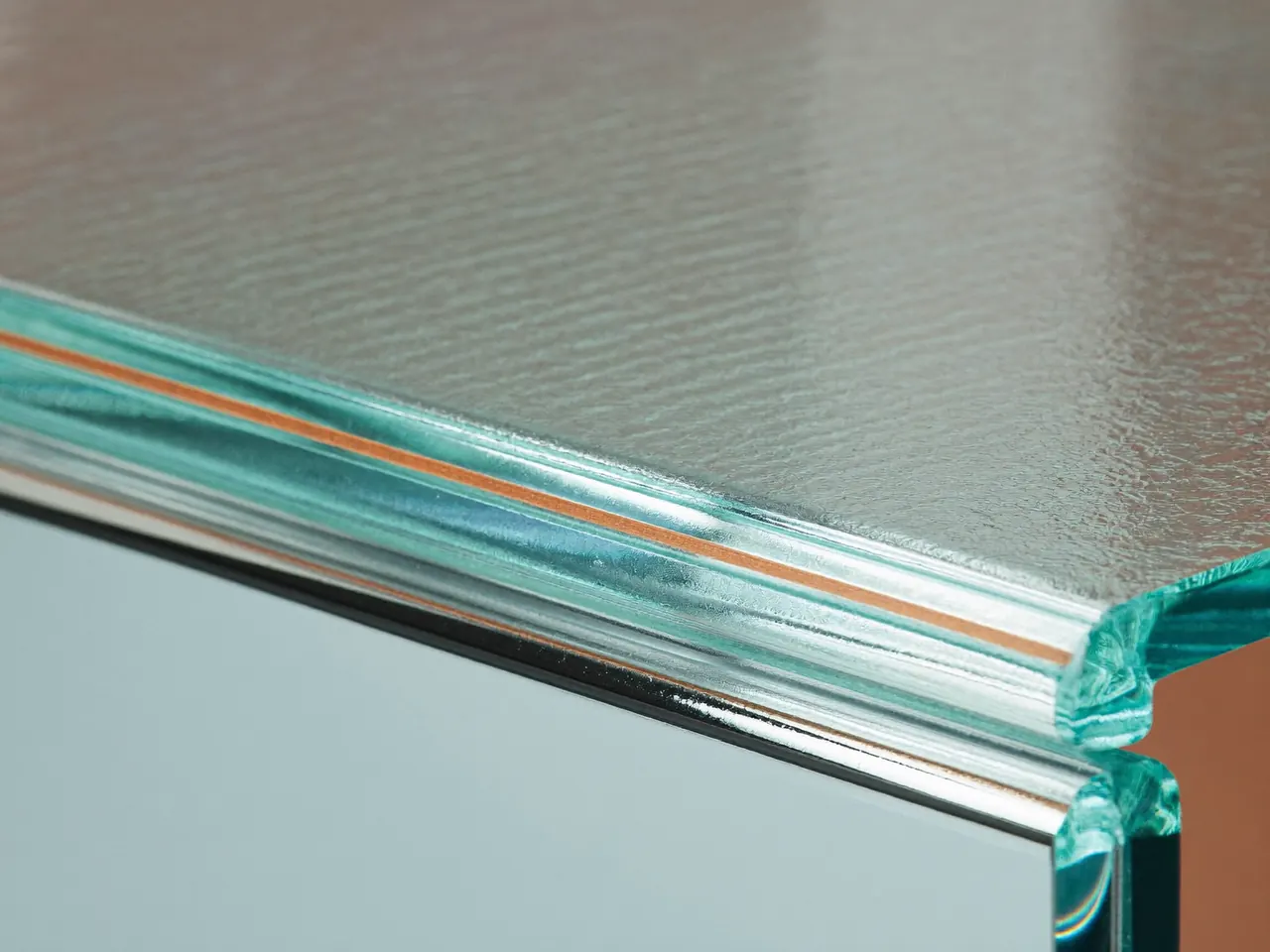
Explore the guides
Use these plain-English reads to dig into the part that matters for your home:
- Window U-values explained — what that W/m²K figure means and why lower is warmer.
- Double vs triple glazing — when the third pane earns its keep and when good double glazing is plenty.
- Low-E glass and argon explained — the coating and gas fill that do the quiet work.
- How much new windows save on bills — the attributed, typical figures.
- Draught-proofing vs replacement — when a cheaper fix will do.
- Secondary vs double glazing — the lower-cost, period-home-friendly option.
Is it worth it for your home?
For most UK homes with single glazing or failing units, efficient windows pay you back in comfort first — warmer rooms, fewer cold spots and a quieter home — and in lower running costs over the years. Where budget is the sticking point, funding and contribution options may be available, subject to eligibility and a home survey, and £0-upfront options may be available for those who qualify. The simplest next step is a free assessment so an installer can measure up and talk you through the numbers for your actual windows.
Ready to compare quotes?
Get matched to a FENSA-registered installer covering your area. No pressure, no obligation — just a clear estimate for your home.
Get my estimate →