Window Energy Ratings (A++ to E) Explained
The Window Energy Rating turns a page of technical figures into one simple letter, from A++ at the top down to E. It is the quickest way to compare windows at a glance — as long as you know what the label is really telling you.
What the rating measures
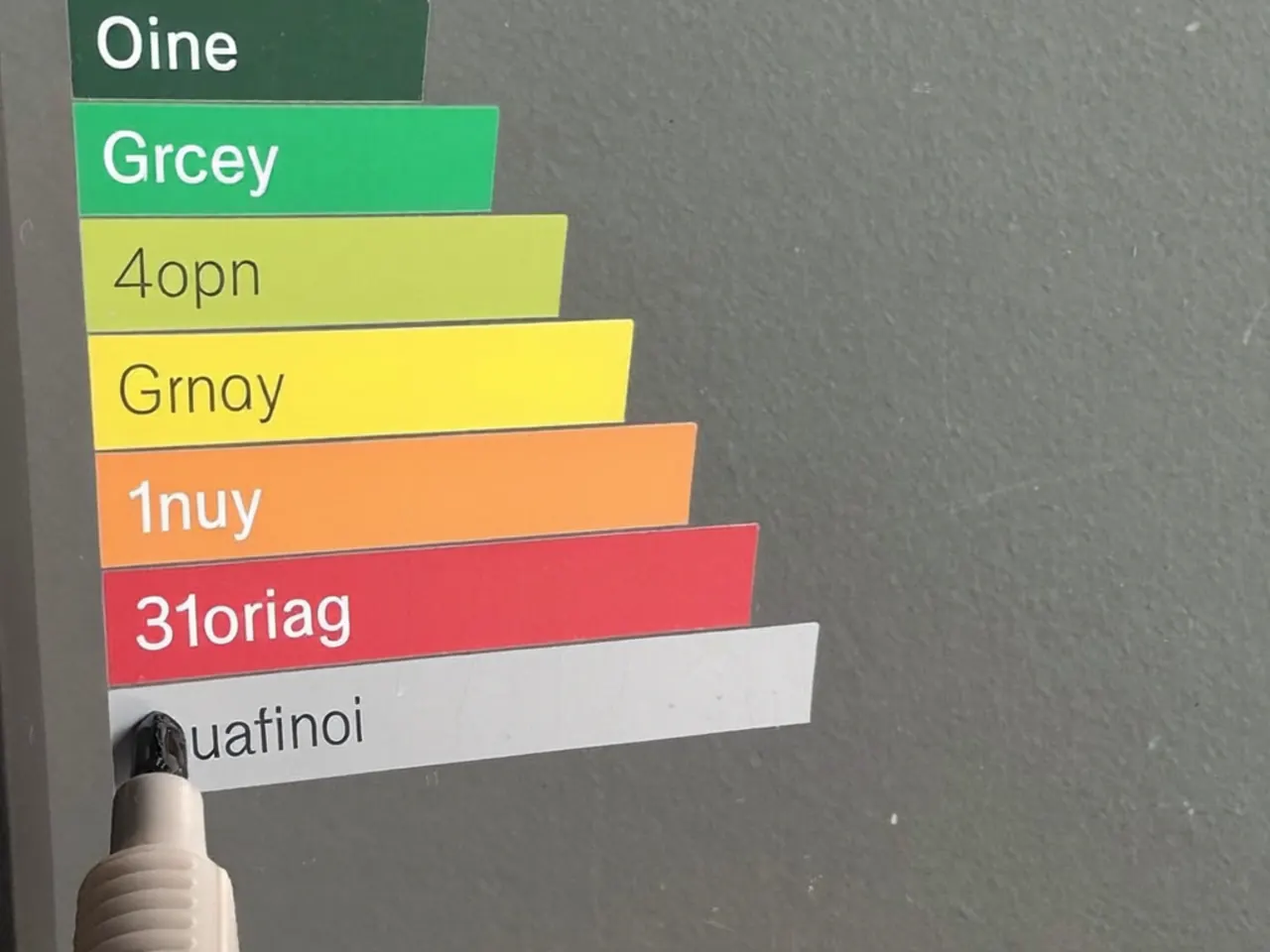
The Window Energy Rating (WER) is run in the UK by the British Fenestration Rating Council. Like the label on a fridge or washing machine, it uses a coloured A-to-E scale — extended at the top with A+ and A++ for the best performers. Rather than judging the glass alone, it scores the whole window using three ingredients:
- Heat loss — the whole-window U-value, how much warmth escapes.
- Solar gain — the g-value, how much heat from the sun the window lets in.
- Air leakage — how well the window keeps out draughts.
The three are combined into a single energy balance. A window that loses little heat and captures useful solar warmth scores highly; one that leaks heat and draughts scores poorly.
Reading the scale
| Band | What it means |
|---|---|
| A++ / A+ / A | Top performers — the target for an efficient replacement |
| B / C | Still efficient, common on mid-range products |
| D / E | Weaker performance — older or budget units |
For a replacement in England and Wales, building regulations require at least a band C rating or a whole-window U-value of 1.4 W/m²K or better. Most quality installers fit A-rated windows as standard, which comfortably clear that bar.
Want A-rated windows priced up?
A free home assessment shows what rating suits your home and what it would cost. Two quick questions and your postcode to get matched.
See my saving estimate →
Why the rating is worth checking
The rating matters because it is standardised and independently certified, so an A-rated window from one maker is directly comparable with an A-rated window from another. It saves you decoding U-values and g-values yourself. When you gather quotes, ask each installer for the WER band and the whole-window U-value in writing — a reputable firm will provide both without hesitation. Our partner network includes the UK’s No.1-rated installer on Trustpilot, so the windows we help you compare are specified to recognised, certified standards.

Rating versus real savings
A high rating tells you the window is efficient, but it does not by itself promise a set figure on your bill — that depends on your home, its current windows and how you heat it. For the attributed, typical ranges you can realistically expect, see how much new windows save on bills. Treat the rating as a reliable quality benchmark and the savings figures as typical estimates rather than guarantees.
Compare rated windows for your home
Get matched to a FENSA-registered installer for a free, no-obligation quote with the energy rating and U-value clearly shown.
Get my estimate →