Window U-Values Explained
The U-value is the single most useful number on a window quote. It tells you how quickly heat escapes through the glazing and frame — and once you know how to read it, comparing windows gets a lot simpler.
What a U-value actually measures
A U-value measures the rate of heat loss through a building element, quoted in watts per square metre per degree of temperature difference — written W/m²K. In plain terms, it tells you how much warmth leaks out through each square metre of window for every degree it is colder outside than in. The crucial thing to remember is that lower is better: a low U-value means the window holds heat in, while a high U-value means it lets warmth pour out.
When you compare quotes, look for the whole-window U-value (sometimes shown as Uw). That figure accounts for the glass, the gas fill, the spacer bar and the frame all together. A “centre-of-glass” U-value looks lower because it ignores the frame and edges, so it is not a fair way to compare one product against another.
Typical U-values, single to triple
These are broad, typical figures — individual products vary — but they show the size of the gains on offer:
| Glazing type | Typical U-value |
|---|---|
| Single glazing | ~4.8 |
| Older double glazing (pre-2002) | ~2.8–3.0 |
| Modern A-rated double glazing | ~1.2–1.4 |
| Triple glazing | ~0.8–1.0 |
The jump from single glazing to modern A-rated double glazing is the big one — roughly three to four times less heat lost through the window. Going from good double to triple glazing is a smaller refinement, which is why it makes most sense in specific situations rather than everywhere.
Not sure what your windows score?
A free home assessment measures your current windows and shows what an efficient replacement would achieve. Two quick questions and your postcode to get started.
See my saving estimate →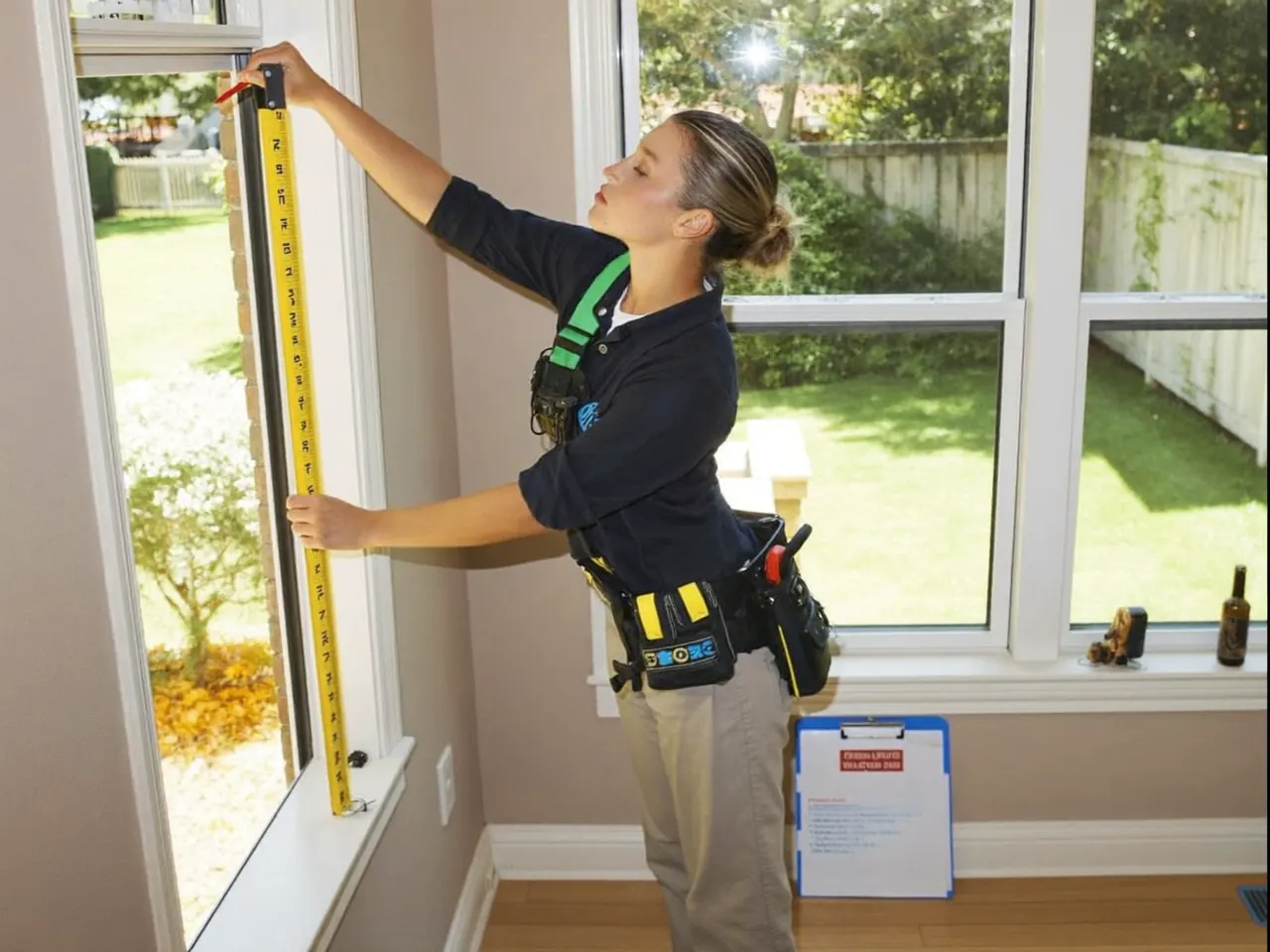
Why the U-value matters for your bills
The lower the U-value, the less energy your heating has to replace. That is why building regulations set a maximum U-value for replacement windows in England and Wales — currently 1.4 W/m²K for most installations — and why the better products comfortably beat it. Pairing a low U-value with a decent solar gain (the g-value) gives you a window that keeps heat in on cold nights and lets a little useful warmth in on sunny days. To see how U-values roll up into a single easy label, read our guide to window energy ratings.
How U-values are achieved
Manufacturers reach low U-values by combining a Low-E coating and argon gas fill with a warm-edge spacer and an insulated multi-chamber frame. The difference between a 1.4 and a 1.0 window usually comes down to the glass unit and the frame construction. If you are weighing up whether that last step is worth paying for, our comparison of double vs triple glazing walks through where each option shines.
One last tip: always compare like with like. Ask each installer for the whole-window U-value and the Window Energy Rating band, and you will be comparing genuine performance rather than marketing.
Compare efficient windows for your home
Get matched to a FENSA-registered installer for a free, no-obligation quote — with the U-value and energy rating spelled out.
Get my estimate →