Low-E Glass & Argon Explained
Two features do much of the quiet work inside a modern sealed unit: a Low-E coating on the glass and an argon fill in the cavity. Neither is visible, but together they are the difference between a window that holds its warmth and one that lets it drift out.
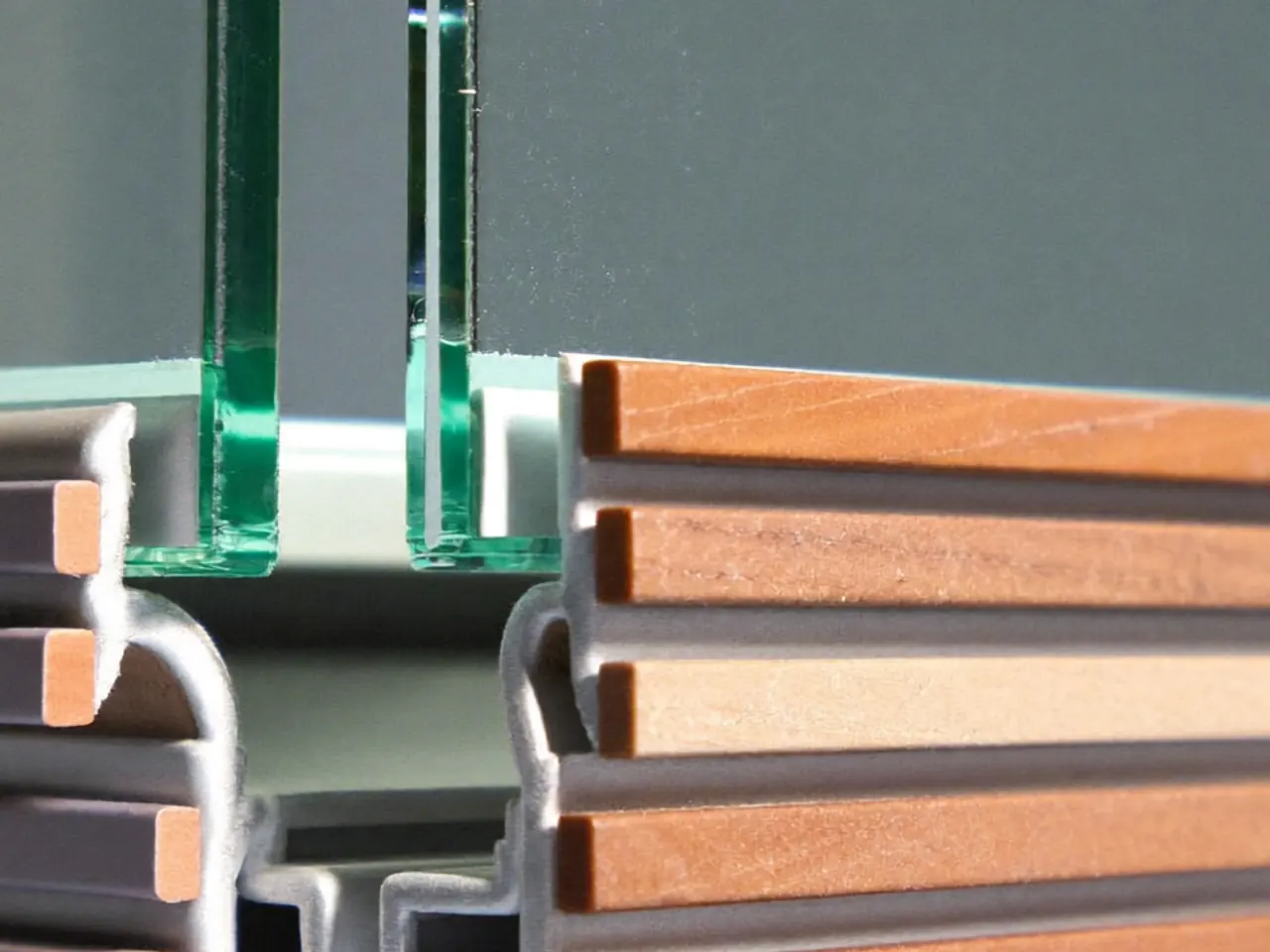
What Low-E glass does
Low-E stands for “low emissivity”. It is an ultra-thin, transparent metallic coating applied to one of the internal glass surfaces of the sealed unit. Its job is clever: it lets short-wave energy (daylight and some solar warmth) pass into the room, but reflects long-wave heat — the warmth radiating from your radiators, walls and bodies — back inside rather than letting it escape through the glass. The result is a window that feels warmer to sit beside and loses less of your heating to the outdoors.
There are two broad types. A hard-coat (pyrolytic) Low-E is durable and lets in a little more solar heat, useful for north-facing or shaded rooms. A soft-coat (sputtered) Low-E performs better for insulation and is the more common choice in high-efficiency units. Your installer will usually specify whichever suits the aspect and the performance you need.
Why argon fills the cavity
The gap between the panes is not left as ordinary air. It is filled with argon, a harmless, inert gas that is denser than air and conducts heat far less readily. Because argon slows the movement of heat across the cavity, it lowers the window’s U-value without changing how it looks. Krypton is sometimes used in very slim or triple-glazed units where the cavity is narrow, but argon offers the best balance of performance and cost for most windows.
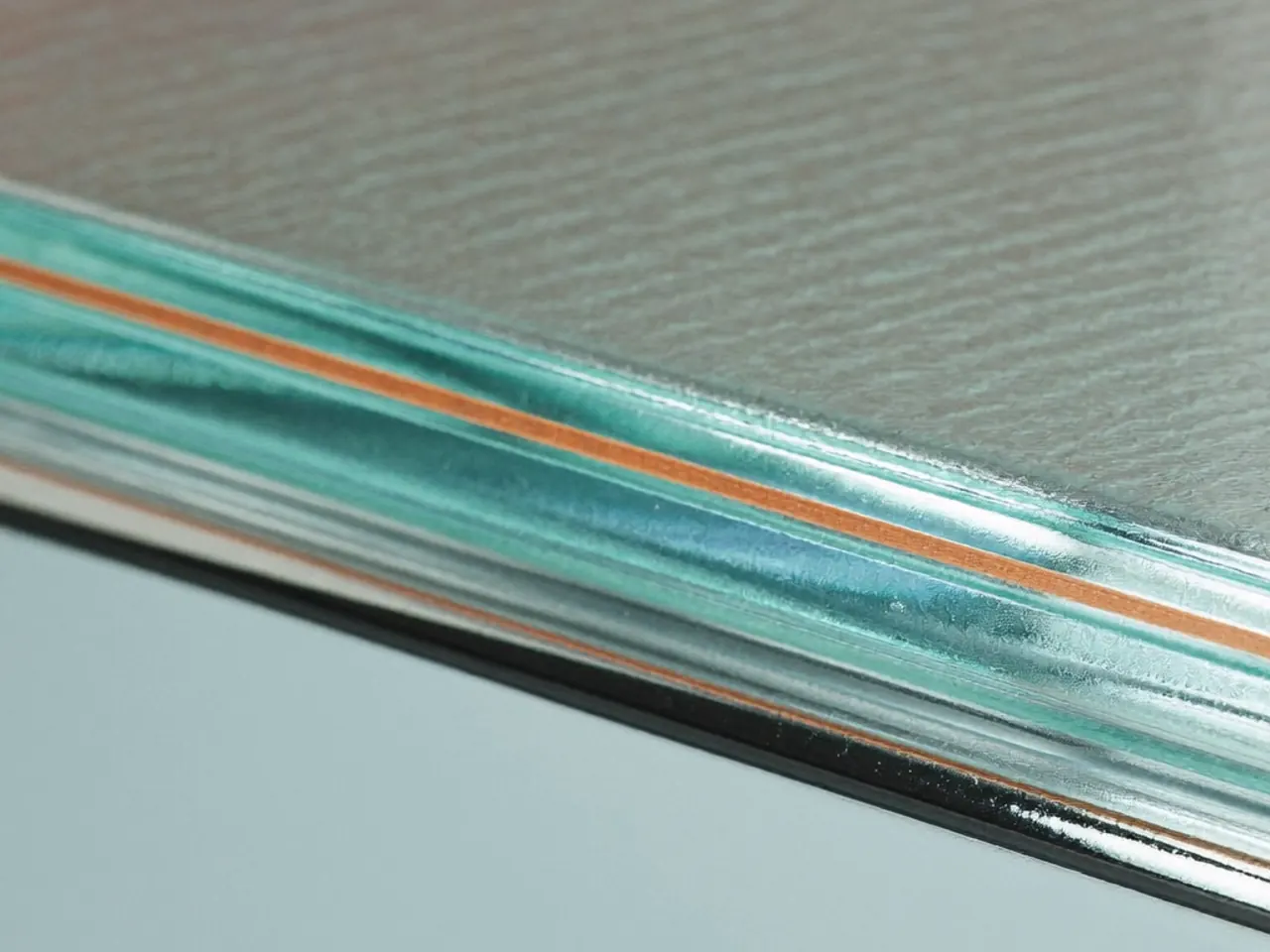
How the parts work together
Low-E glass and argon are a team. The coating reflects radiant heat back into the room; the argon slows the heat that still tries to cross the cavity; and a warm-edge spacer bar reduces the cold line at the glass edge. Add an insulated frame and tight seals and you have the combination that gives modern windows their low U-values. This is exactly the package that separates an A-rated unit from tired older glazing — see how it all rolls up in our guide to window U-values.
Want efficient glass in your home?
A free assessment shows what a Low-E, argon-filled upgrade would achieve for your windows. Two quick questions and your postcode to get matched.
See my saving estimate →Does it fade over time?
A small amount of argon can escape very slowly over many years through a sealed unit, but a well-made unit holds its fill for a long time and the coating itself does not wear out with normal use. The bigger risk to any sealed unit is a failed edge seal, which shows up as misting between the panes. If you see that, the unit — not necessarily the whole window — can usually be replaced.
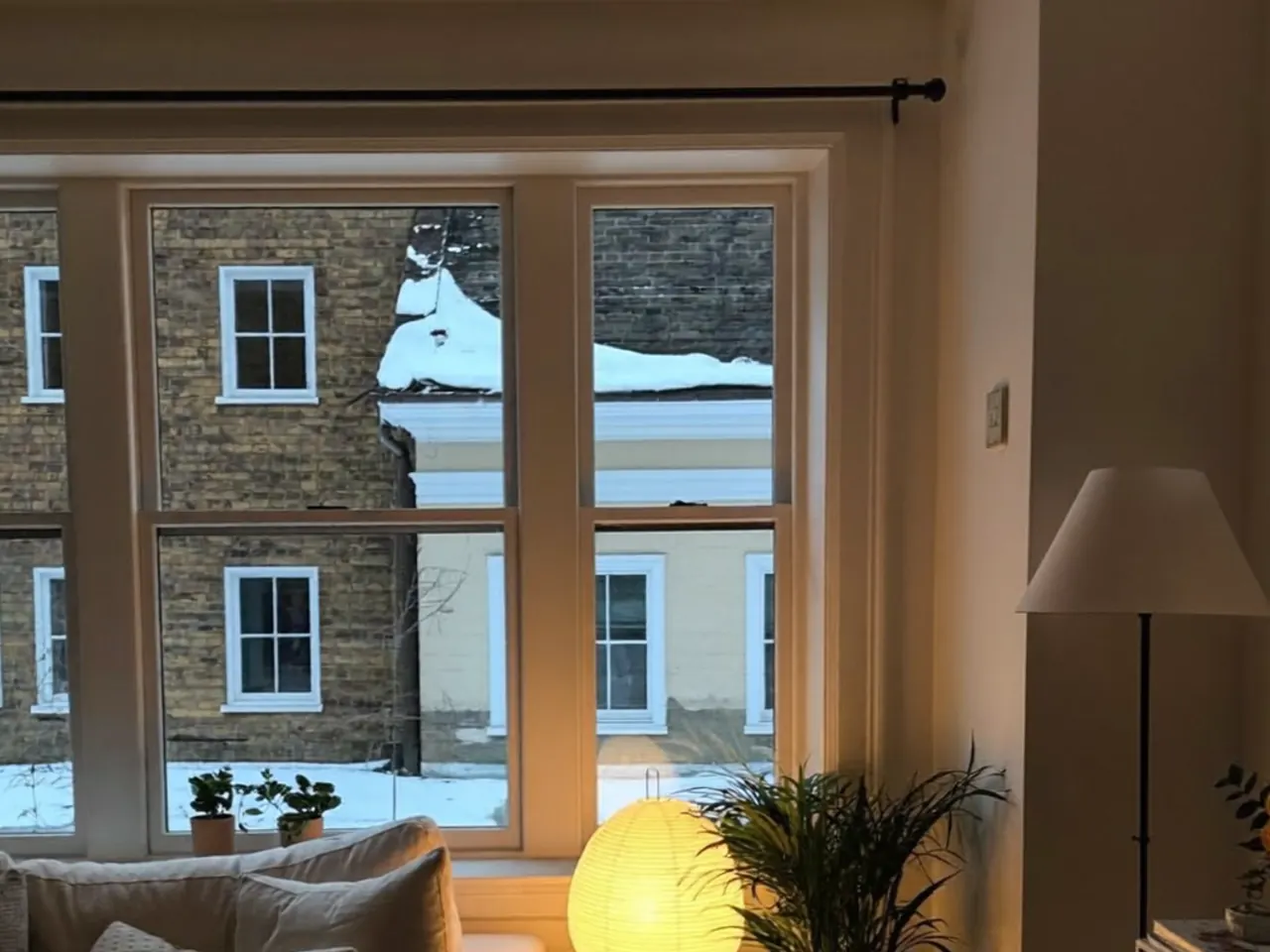
Is it worth the specification?
Low-E glass with an argon fill is now standard on quality energy-efficient windows, so you are not paying a premium for something exotic — you are simply making sure the units are specified properly. Where it becomes a genuine choice is in deciding between double and triple glazing, since both use these same technologies to different degrees. Our comparison of double vs triple glazing covers when the extra pane is worth it.
Compare properly specified windows
Get matched to a FENSA-registered installer for a free, no-obligation quote with the glass and gas fill spelled out.
Get my estimate →