Secondary vs Double Glazing
Secondary glazing adds a slim, independent inner pane behind your existing window, rather than replacing it. It is the quiet alternative to full double glazing — often the right answer for period homes, listed buildings and tighter budgets. Here is how the two compare.
How they differ
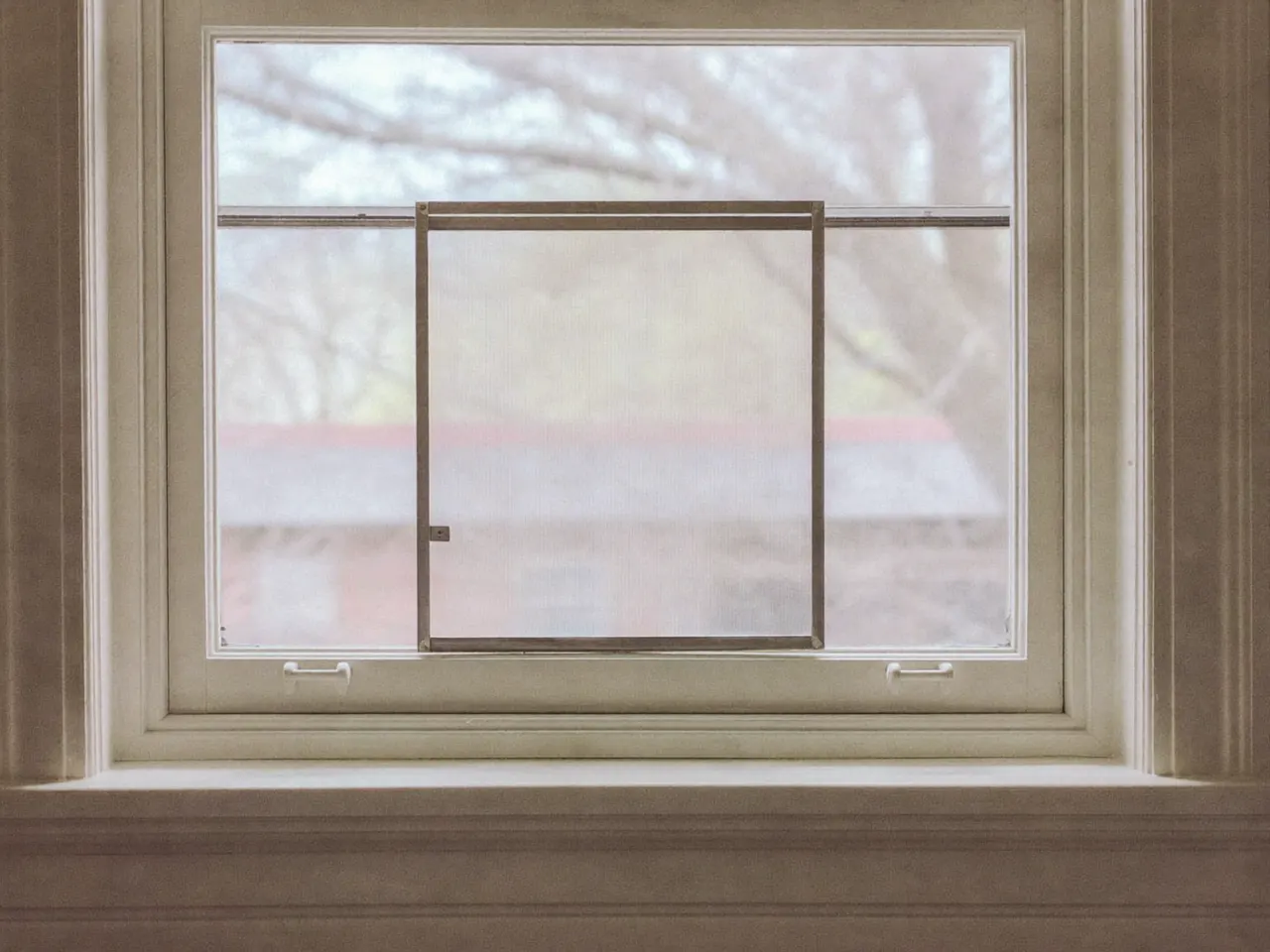
Double glazing replaces the whole window with a factory-sealed unit of two panes and an insulating, gas-filled cavity. Secondary glazing keeps your original window in place and fits a discreet second pane on the inside, usually in a slim aluminium frame that opens or slides for access and ventilation. Because the two panes are further apart than in a sealed unit, secondary glazing is particularly good at cutting noise.
| Factor | Secondary glazing | Double glazing |
|---|---|---|
| Original window | Kept in place | Replaced |
| Heat loss | Much improved on single glazing | Best — lowest U-value |
| Noise reduction | Excellent (wide air gap) | Very good |
| Cost | Lower | Higher |
| Listed / conservation | Usually acceptable | Often restricted |
When secondary glazing wins
Secondary glazing is the sensible choice when replacement is restricted or undesirable:
- Listed buildings and conservation areas, where you cannot alter the original windows.
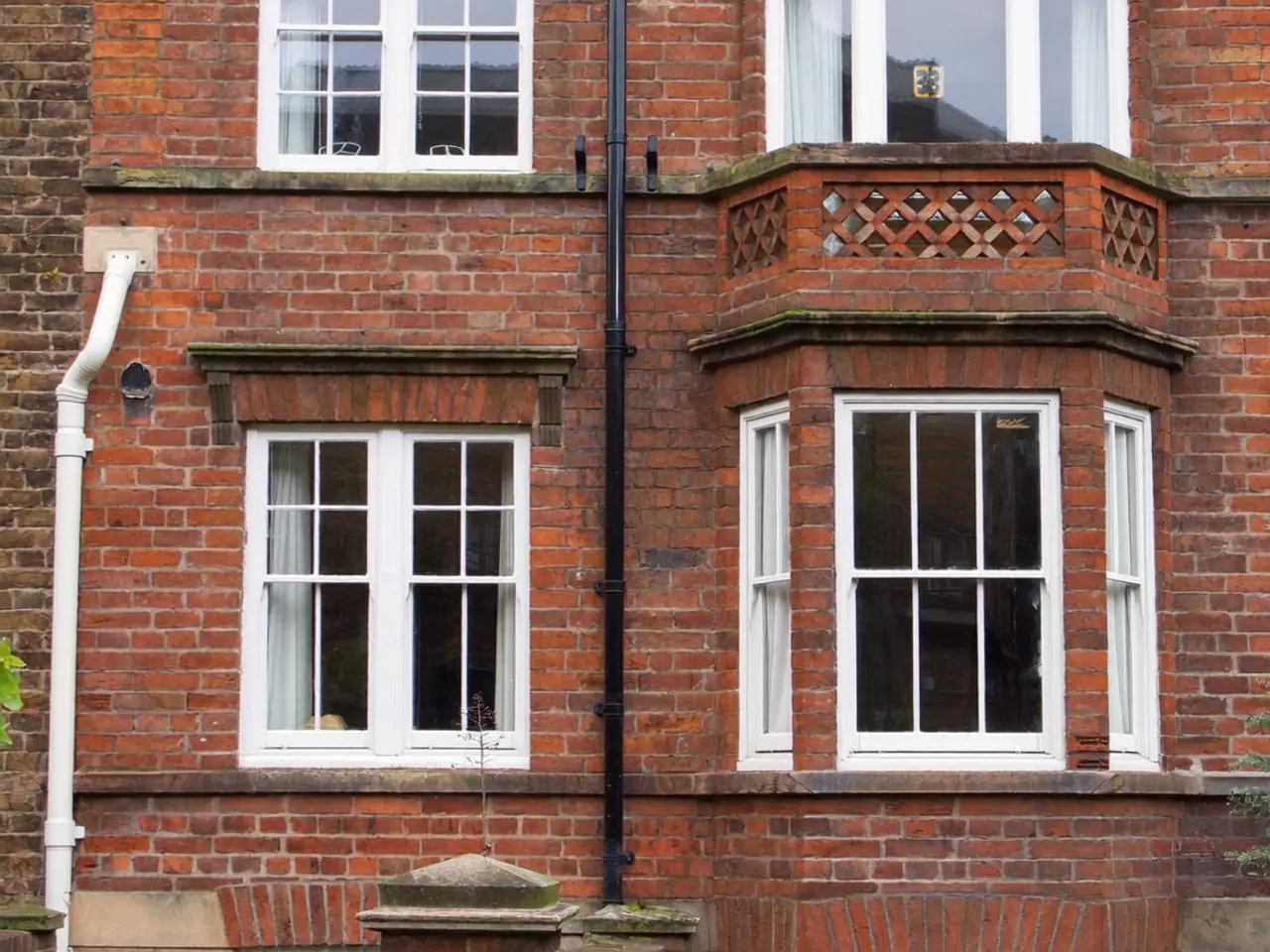
- Period homes with characterful timber sashes you want to keep on show.
- Noise from a busy road or railway, where the wide air gap really shines.
- Budget-conscious upgrades, since it costs less than full replacement.
It will not match the U-value of a modern sealed unit — see our guide to window U-values — but it dramatically improves on single glazing for both warmth and noise, at a fraction of the disruption.
When double glazing wins
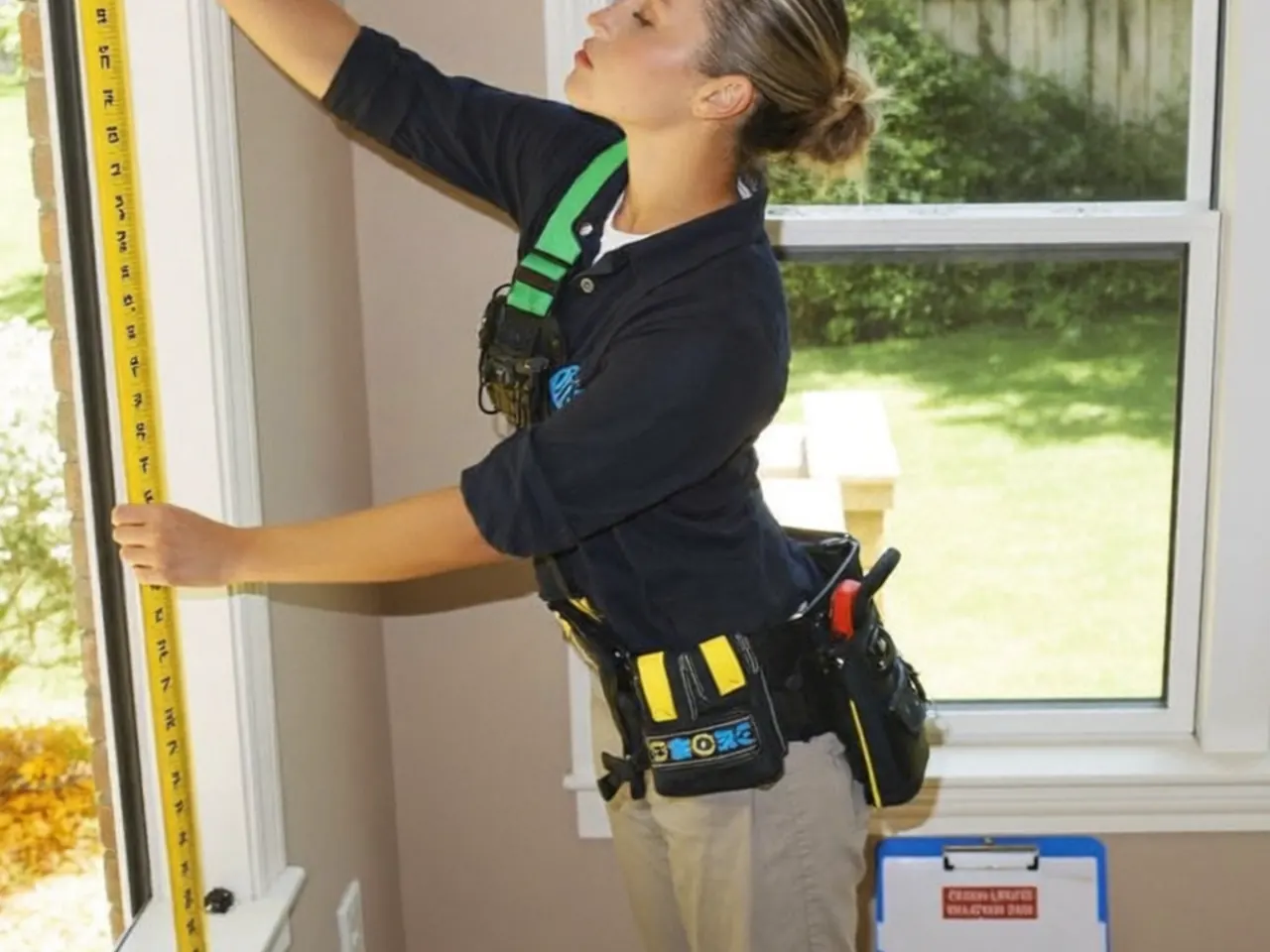
If your home is not restricted and the existing windows are single-glazed or failing, full double glazing is usually the stronger long-term choice. It delivers the lowest heat loss, the neatest finish and the security of modern locking, and it removes the maintenance of an old timber frame. Where you are weighing double against the next step up, our comparison of double vs triple glazing covers when the third pane is worth it.
Unsure which suits your home?
A free home assessment will weigh secondary against replacement for your property and budget. Two quick questions and your postcode to get matched.
See my saving estimate →Or seal the gaps first
If your frames are sound and draughts are the main issue, you may not need either option yet. Our look at draught-proofing vs replacement explains when a low-cost seal-up is enough and when it is time to invest in new glazing. Whichever route fits, funding and contribution options may be available, subject to eligibility and a home survey.
Compare your options
Get matched to a FENSA-registered installer for a free, no-obligation quote on the approach that suits your home.
Get my estimate →