Draught-Proofing vs Replacement
Not every cold window needs replacing. Sometimes draught-proofing is the sensible, low-cost fix; sometimes it is a sticking plaster on a window that has reached the end of its life. Here is how to tell which situation you are in before you spend anything.
What draught-proofing actually fixes
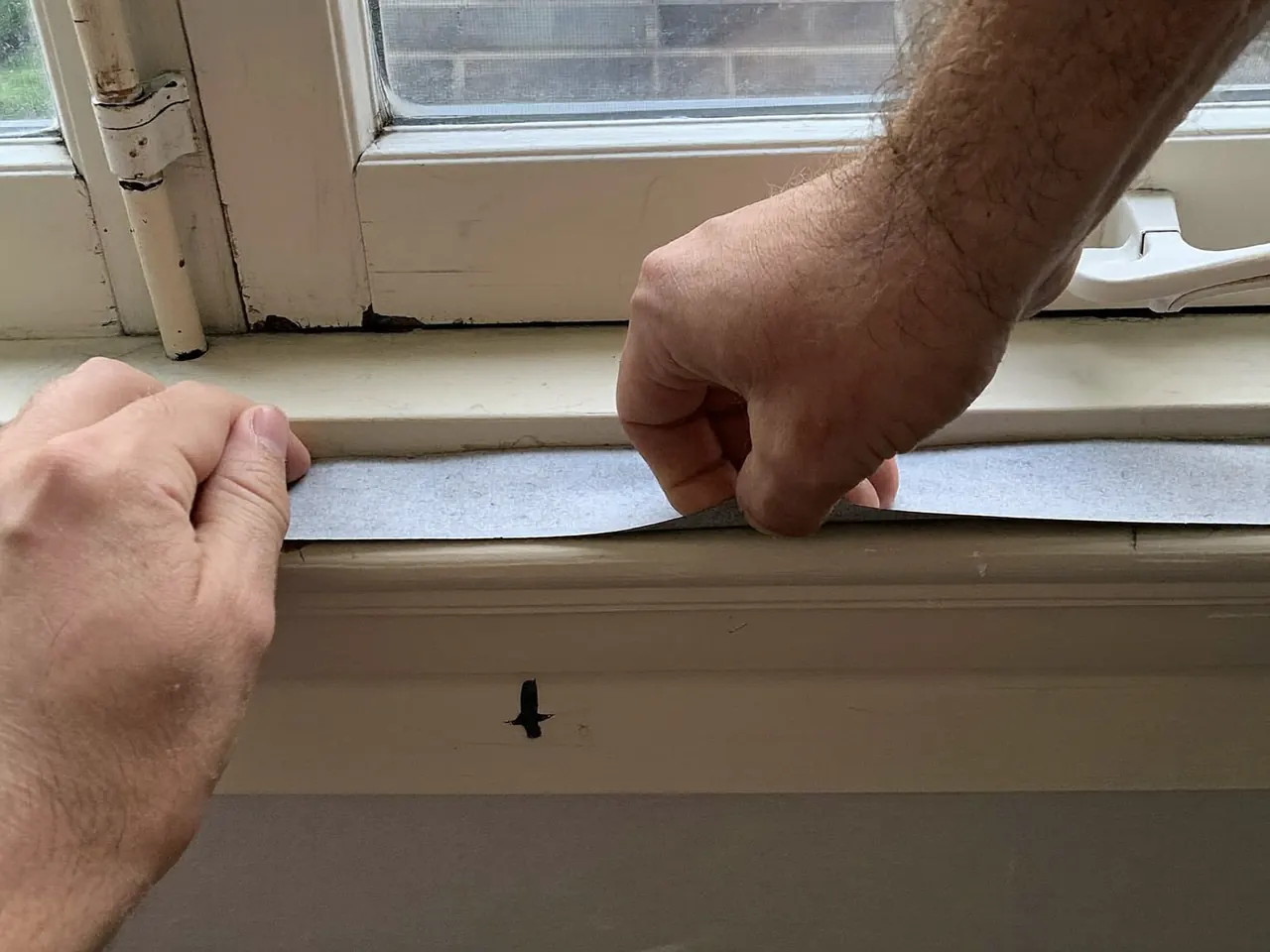
Draught-proofing tackles air leakage — the cold air that whistles in, and warm air that leaks out, through gaps around an opening window, a worn seal or an ill-fitting sash. It does not change how much heat conducts through the glass itself. Fitting brush or wiper seals, compression strips or fresh gaskets can make a draughty room noticeably more comfortable for very little outlay, and the Energy Saving Trust rates draught-proofing as one of the more cost-effective steps a home can take.
It is a strong choice when the frames are sound but the seals have perished, when you rent or are not ready for a big project, or when you want a quick win before a larger refurbishment.
When replacement makes more sense
Sealing gaps cannot rescue a window that is fundamentally failing. Lean towards replacement when:
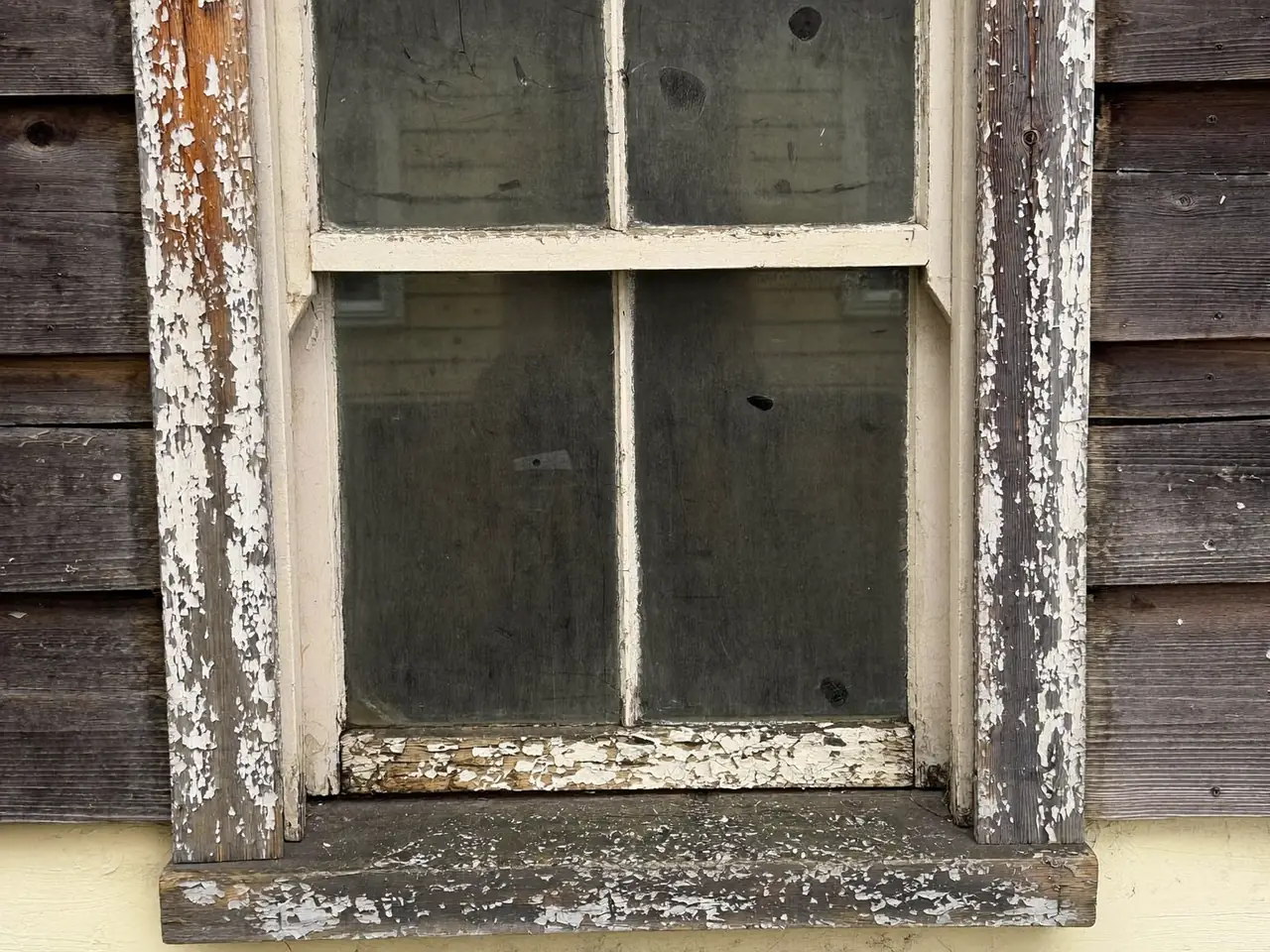
- the frames are rotten, warped or rusting and no longer hold a seal;
- you still have single glazing, so the glass itself is the main heat loss;
- the sealed units are misted from failed edge seals;
- the windows are hard to open, insecure, or a safety concern; or
- you want the comfort of a low U-value that only modern glazing delivers.
In these cases, draught-proofing buys a little comfort but leaves the bigger heat loss untouched. New, efficient windows address both the draughts and the conduction through the glass in one go.
Weighing cost against comfort
Draught-proofing is inexpensive and quick, so it almost always pays back fast where frames are sound. Replacement is a larger investment, but it delivers a warmer, quieter, more secure home and tackles the heat loss draught-proofing cannot. For the typical, attributed savings a glazing upgrade brings, see our guide to how much new windows save on bills — and remember those are ranges, not promises.
Not sure which your windows need?
A free home assessment will tell you honestly whether sealing up or replacing is the better call. Two quick questions and your postcode to get matched.
See my saving estimate →If replacement is the answer
Where the survey points to new windows, cost need not be the barrier it first appears. Funding and contribution options may be available, subject to eligibility and a home survey, and £0-upfront options may be available for those who qualify. It is worth reading up on the funding routes if replacement is the answer so you can compare a manageable monthly cost against the comfort and savings you would gain.
A halfway house for period homes
If you love an older property or live in a conservation area, full replacement is not always possible or desirable. Adding a discreet inner pane can cut draughts and heat loss while keeping the original windows, which is exactly what our comparison of secondary vs double glazing explores.
Get a clear recommendation
Get matched to a FENSA-registered installer for a free, no-obligation assessment and an honest steer on the right fix for your home.
Get my estimate →